Are We Living Through an Unlikely Golden Age of Performance Cars?
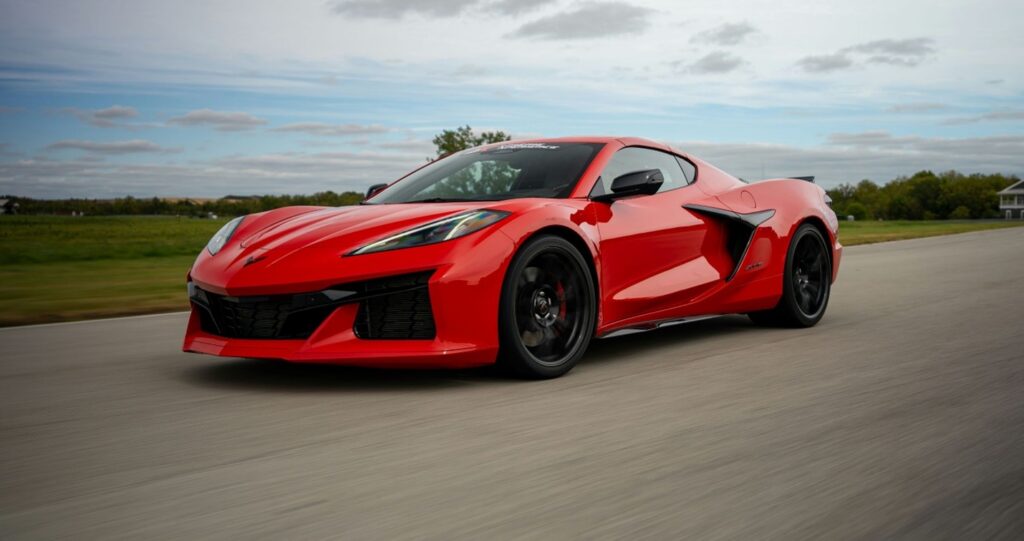
Corvette C8 Z06, powered by a naturally aspirated 5.5-liter V8. Image via Giftory / Xtreme Xperience.
Walk through the performance-car world in 2026 and it almost looks confused.
Chevrolet will sell you a Corvette Z06 with a naturally aspirated 5.5-liter V8 that revs to 8,600 rpm. Porsche still offers a 9,000-rpm flat-six with a manual in the 911 GT3. Bugatti has answered the future with a 1,800-horsepower V16 hybrid. Ford still builds a V8 Mustang with three pedals. Mazda still sells the MX-5, a lightweight roadster with just 181 horsepower. Toyota somehow offers both a rear-wheel-drive GR86 and a 300-horsepower, all-wheel-drive GR Corolla with a manual.
None of these cars agree on what progress is supposed to look like.
That may be the remarkable part.
For years, enthusiasts have wondered which technology would win: combustion or electric, manual or automatic, low weight or enormous power.
Right now, the answer is none of them.
We are living in the overlap.
How Many Futures Can Exist at Once?
At the top end, the contradictions are almost absurd.
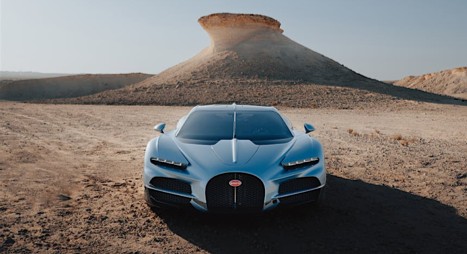
The Corvette ZR1 makes 1,064 horsepower and has reached 233 mph, while the Z06 beside it creates its drama without a turbocharger in sight. Bugatti replaced its quad-turbo W16 not with something smaller, but with an 8.3-liter naturally aspirated V16 assisted by three electric motors. Porsche continues refining the naturally aspirated GT3 even as electrification spreads elsewhere through the performance world. At the opposite extreme, the all-electric Rimac Nevera R delivers 2,107 horsepower without a combustion engine.
The Bugatti Tourbillon in Qatar's Zekreet Desert, showcasing its groundbreaking V16 hybrid design. Photo via Bugatti Automobiles S.A.S.
These are not different ways of reaching the same answer.
A golden age should not be judged only by what its fastest car can do.
It should also be judged by how many different reasons it gives an enthusiast to want one.
The Window Is Already Closing
The danger is assuming all of this variety is permanent.
It isn’t.
The Camaro is gone. Jaguar ended F-Type production in 2024. Manuals that once appeared in ordinary cars increasingly survive in enthusiast-focused models, while entire categories of coupes and sports sedans have thinned out.
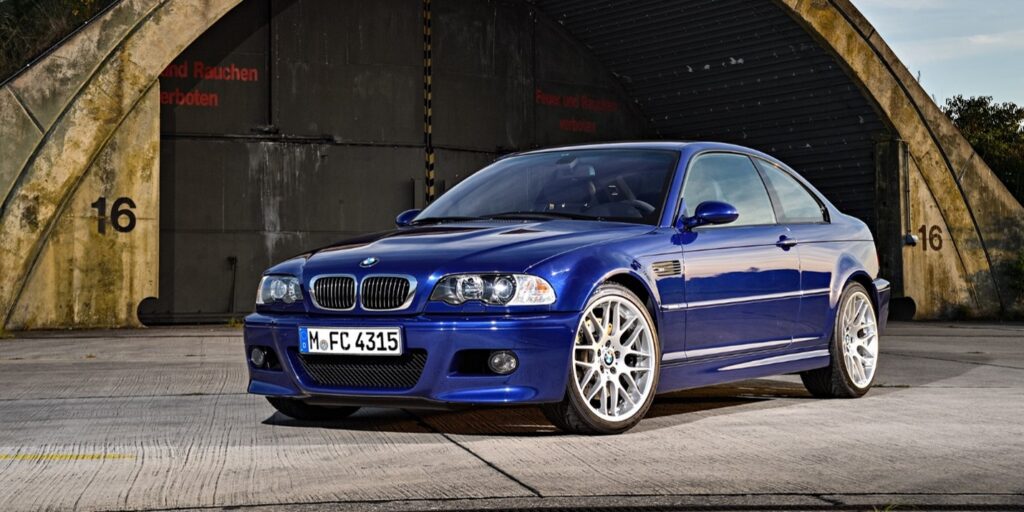
Today’s M3 is exceptionally capable, but its size and weight help explain the enduring appeal of an older, more connected M3.
Then there is the problem of usable performance.
Modern tires, brakes, aerodynamics, electronics, and enormous power allow a Z06, GT3, or M3 to carry speeds that would have belonged to racing cars not long ago.
The BMW M3 Competition (E46), an enduring example of the engaging, analog driving experience prized by enthusiasts. Photo via BMW Group.
The roads did not change with them.
That creates a strange possibility: this could be the greatest era of performance capability while still leaving enthusiasts nostalgic for eras when more of a car could be explored without a racetrack.
There is another problem at the very top.
The McLaren F1, Ferrari F40, and Carrera GT feel almost singular when viewed through history. Today, four-figure horsepower, limited production, active aerodynamics, and increasingly exotic engineering arrive constantly.
Extraordinary has become crowded.
For collectors, that makes the question harder: which cars are merely impressive, and which will actually matter?
Horsepower creates headlines. Production limits create scarcity.
Neither guarantees significance.
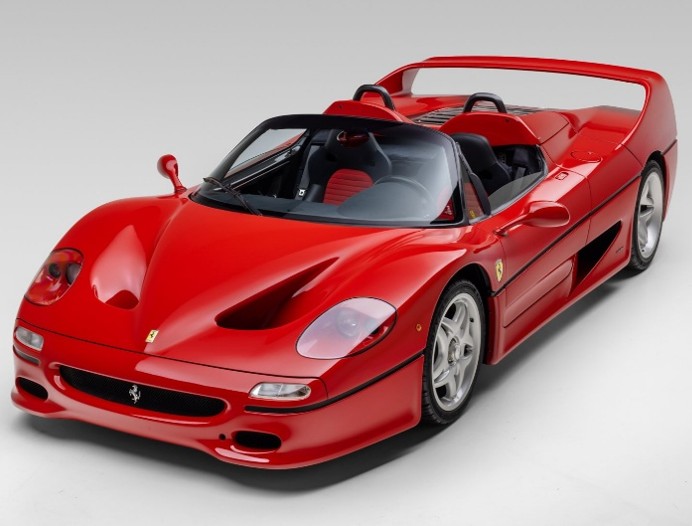
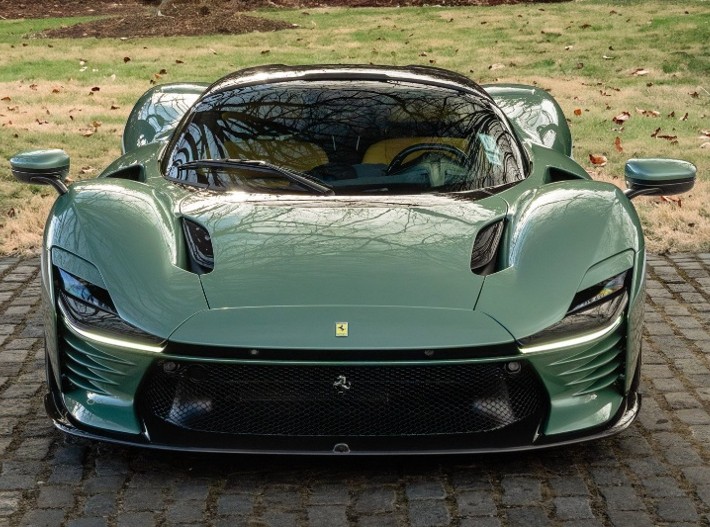
At Broad Arrow’s Las Vegas auction on October 31, two Ferraris separated by nearly three decades sold for almost the same price. A 106-mile 1997 F50 brought $18.705 million, while an 81-mile 2025 Daytona SP3 reached $18.54 million, both including buyer’s premiums. One pairs a naturally aspirated V12 with a gated manual; the other puts a naturally aspirated V12 inside a thoroughly modern machine.
Two generations of Ferrari engineering: the 1997 Ferrari F50 (left) and 2025 Ferrari Daytona SP3 (right). Photos via Broad Arrow Auctions.
Neither result represents the value of every example—their extraordinarily low mileage matters. But the comparison captures the collector’s dilemma: today’s engineering marvels already sit beside yesterday’s icons. Which will still seem important when the excitement of newness is gone?
History Will Cut the Field
The 1960s look almost impossibly good because history remembers the Sting Ray, Cobra, Miura, and GT40 and quietly forgets most of what shared the road with them.
The same editing has already begun on the 1990s and 2000s. We remember the F1, NSX, Viper, Carrera GT, Enzo, Ford GT, and C6 Z06.
Today, nothing has been edited yet.
The future icons are mixed together with cars nobody will miss, technologies that may disappear, and ideas that may turn out to be dead ends.
That can make the present look messy rather than historic.
But transitional periods often look messy while they are happening.
Thirty years from now, a collection explaining the 2020s may require several completely different cars: a Z06 to show how far the naturally aspirated V8 was pushed, a GT3 for high revs and manual involvement, a Tourbillon for the collision of enormous combustion engines and electrification, a landmark performance EV, and perhaps an MX-5 or GR86 simply because they kept the old idea of a small sports car alive.
The cars that define an era do not have to agree with one another.
Sometimes their disagreement is the story.
We Haven’t Had to Choose Yet
Eventually, some of these paths will narrow. Regulations will change. Buyers will change. Technologies will mature. Some engines, transmissions, and entire categories of cars will disappear while others become normal.
That is what makes the present interesting.
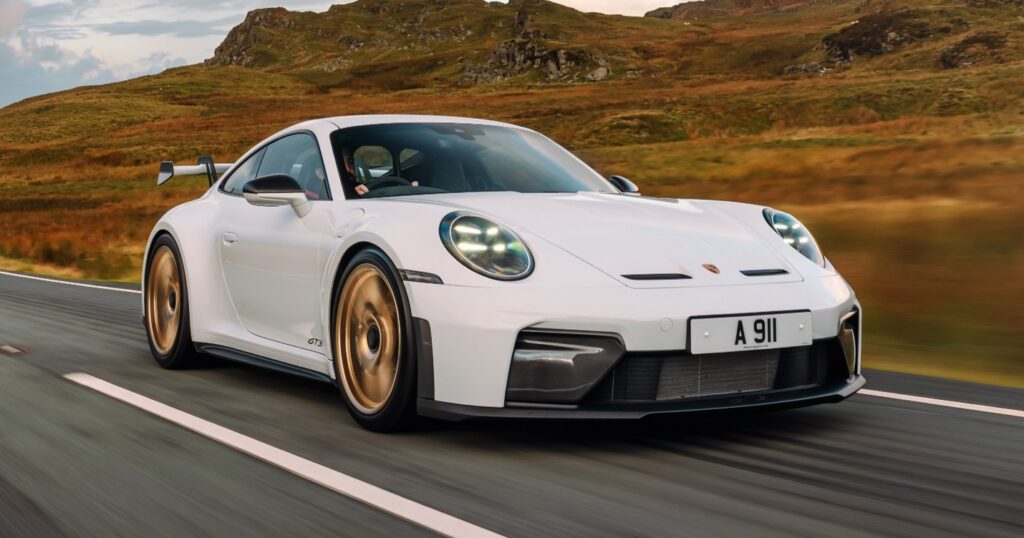
The Porsche 911 GT3 (992.2), preserving the naturally aspirated, high-revving flat-six experience in an increasingly electrified performance-car world. Photo: Porsche.
We can still hear an 8,600-rpm Corvette and a 9,000-rpm Porsche. We can still buy a manual roadster or V8 Mustang while Bugatti builds a V16 hybrid and performance EVs pursue an entirely different kind of speed.
Maybe future enthusiasts will not remember the 2020s because one idea won.
They may remember it because, for a moment, none of them had.