Elite Coverage Meets Unmatched Service

Hours

Mon - Fri
9:00 AM - 4:45 PM CST

Contact Us

350 Corvette Dr
Bowling Green, KY 42101

270-467-8848

Follow Us

Golden Era of Performance Cars
Uncategorized

Is this the Golden Age of Performance Cars?
Are We Living Through an Unlikely Golden Age of Performance Cars?
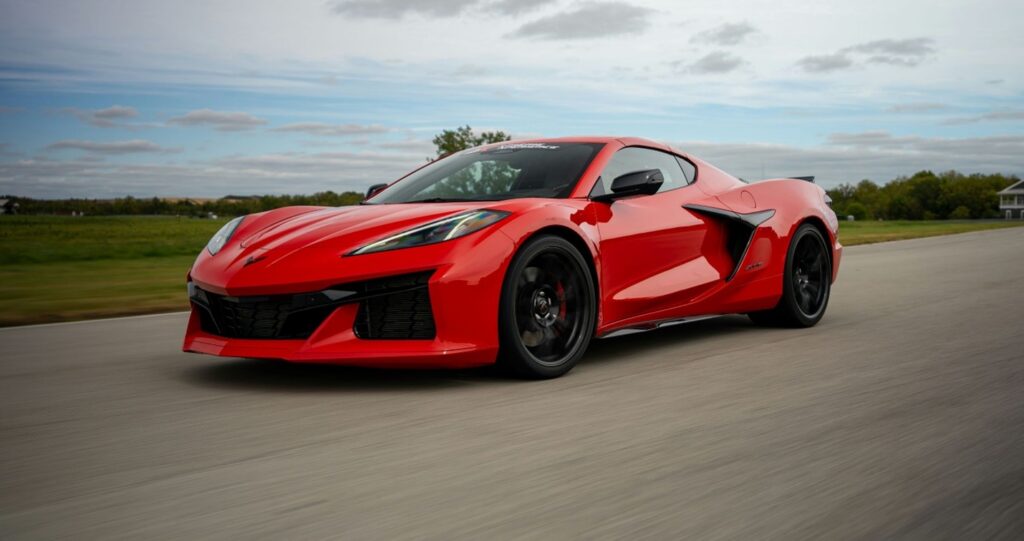
Corvette C8 Z06, powered by a naturally aspirated 5.5-liter V8. Image via Giftory / Xtreme Xperience.


Walk through the performance-car world in 2026 and it almost looks confused.

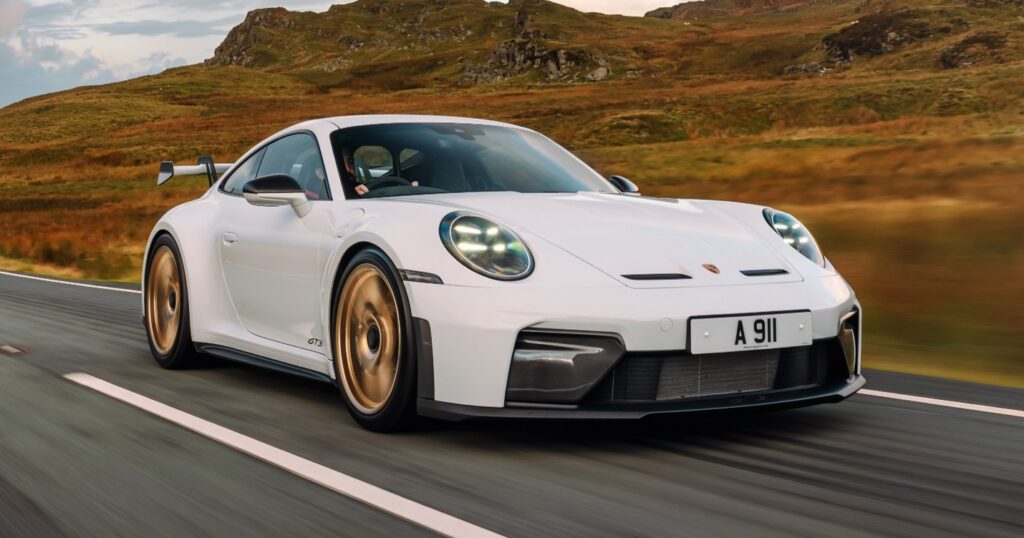
Chevrolet will sell you a Corvette Z06 with a naturally aspirated 5.5-liter V8 that revs to 8,600 rpm. Porsche still offers a 9,000-rpm flat-six with a manual in the 911 GT3. Bugatti has answered the future with a 1,800-horsepower V16 hybrid. Ford still builds a V8 Mustang with three pedals. Mazda still sells the MX-5, a lightweight roadster with just 181 horsepower. Toyota somehow offers both a rear-wheel-drive GR86 and a 300-horsepower, all-wheel-drive GR Corolla with a manual.

None of these cars agree on what progress is supposed to look like.

That may be the remarkable part.

For years, enthusiasts have wondered which technology would win: combustion or electric, manual or automatic, low weight or enormous power.

Right now, the answer is none of them.

We are living in the overlap.

How Many Futures Can Exist at Once?

At the top end, the contradictions are almost absurd.

The Corvette ZR1 makes 1,064 horsepower and has reached 233 mph, while the Z06 beside it creates its drama without a turbocharger in sight. Bugatti replaced its quad-turbo W16 not with something smaller, but with an 8.3-liter naturally aspirated V16 assisted by three electric motors. Porsche continues refining the naturally aspirated GT3 even as electrification spreads elsewhere through the performance world. At the opposite extreme, the all-electric Rimac Nevera R delivers 2,107 horsepower without a combustion engine.

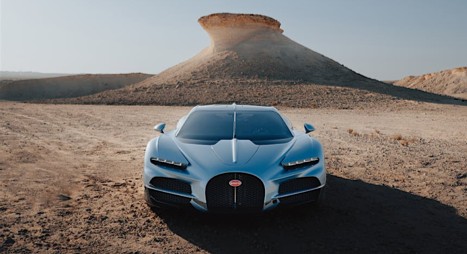
The Bugatti Tourbillon in Qatar's Zekreet Desert, showcasing its groundbreaking V16 hybrid design. Photo via Bugatti Automobiles S.A.S.

These are not different ways of reaching the same answer.

A golden age should not be judged only by what its fastest car can do.

It should also be judged by how many different reasons it gives an enthusiast to want one.

The Window Is Already Closing

The danger is assuming all of this variety is permanent.

It isn’t.

The Camaro is gone. Jaguar ended F-Type production in 2024. Manuals that once appeared in ordinary cars increasingly survive in enthusiast-focused models, while entire categories of coupes and sports sedans have thinned out.

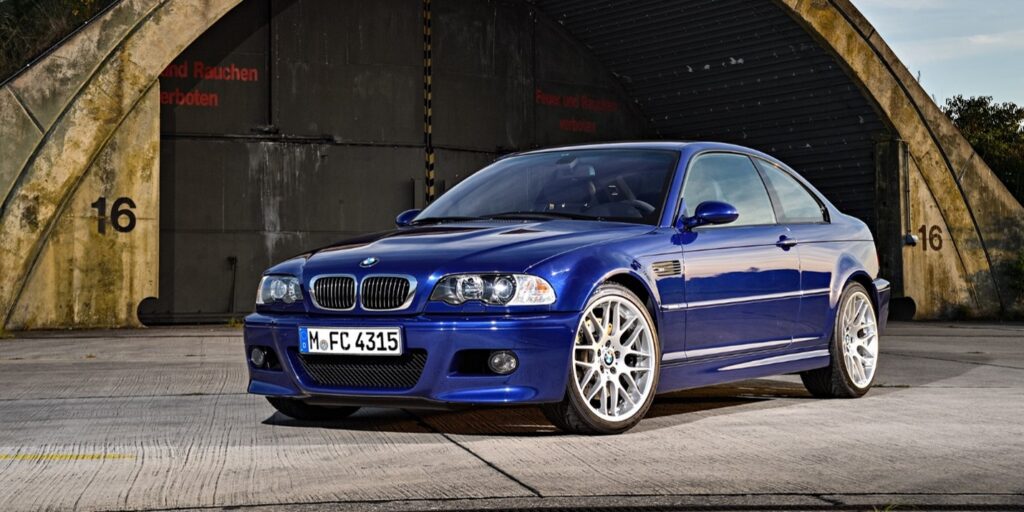
Today’s M3 is exceptionally capable, but its size and weight help explain the enduring appeal of an older, more connected M3.

Then there is the problem of usable performance.

Modern tires, brakes, aerodynamics, electronics, and enormous power allow a Z06, GT3, or M3 to carry speeds that would have belonged to racing cars not long ago.

The BMW M3 Competition (E46), an enduring example of the engaging, analog driving experience prized by enthusiasts. Photo via BMW Group.

The roads did not change with them.

That creates a strange possibility: this could be the greatest era of performance capability while still leaving enthusiasts nostalgic for eras when more of a car could be explored without a racetrack.

There is another problem at the very top.

The McLaren F1, Ferrari F40, and Carrera GT feel almost singular when viewed through history. Today, four-figure horsepower, limited production, active aerodynamics, and increasingly exotic engineering arrive constantly.

Extraordinary has become crowded.

For collectors, that makes the question harder: which cars are merely impressive, and which will actually matter?

Horsepower creates headlines. Production limits create scarcity.

Neither guarantees significance.


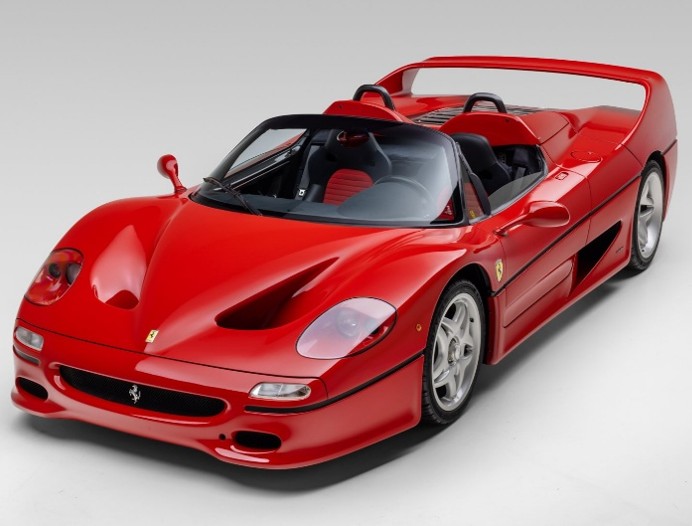
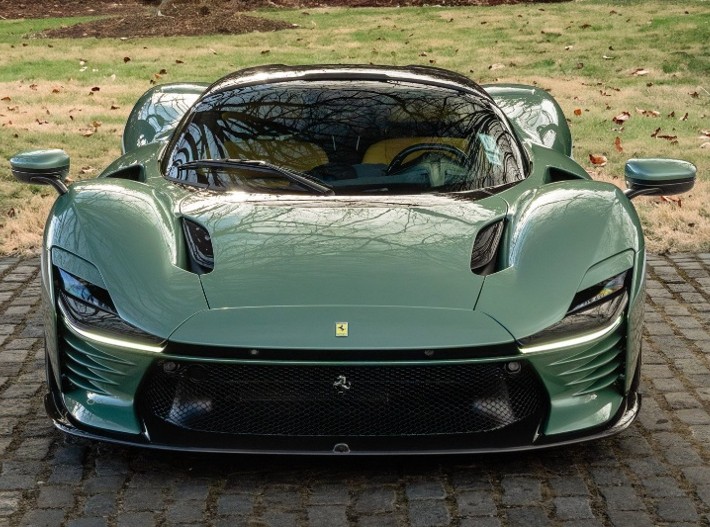
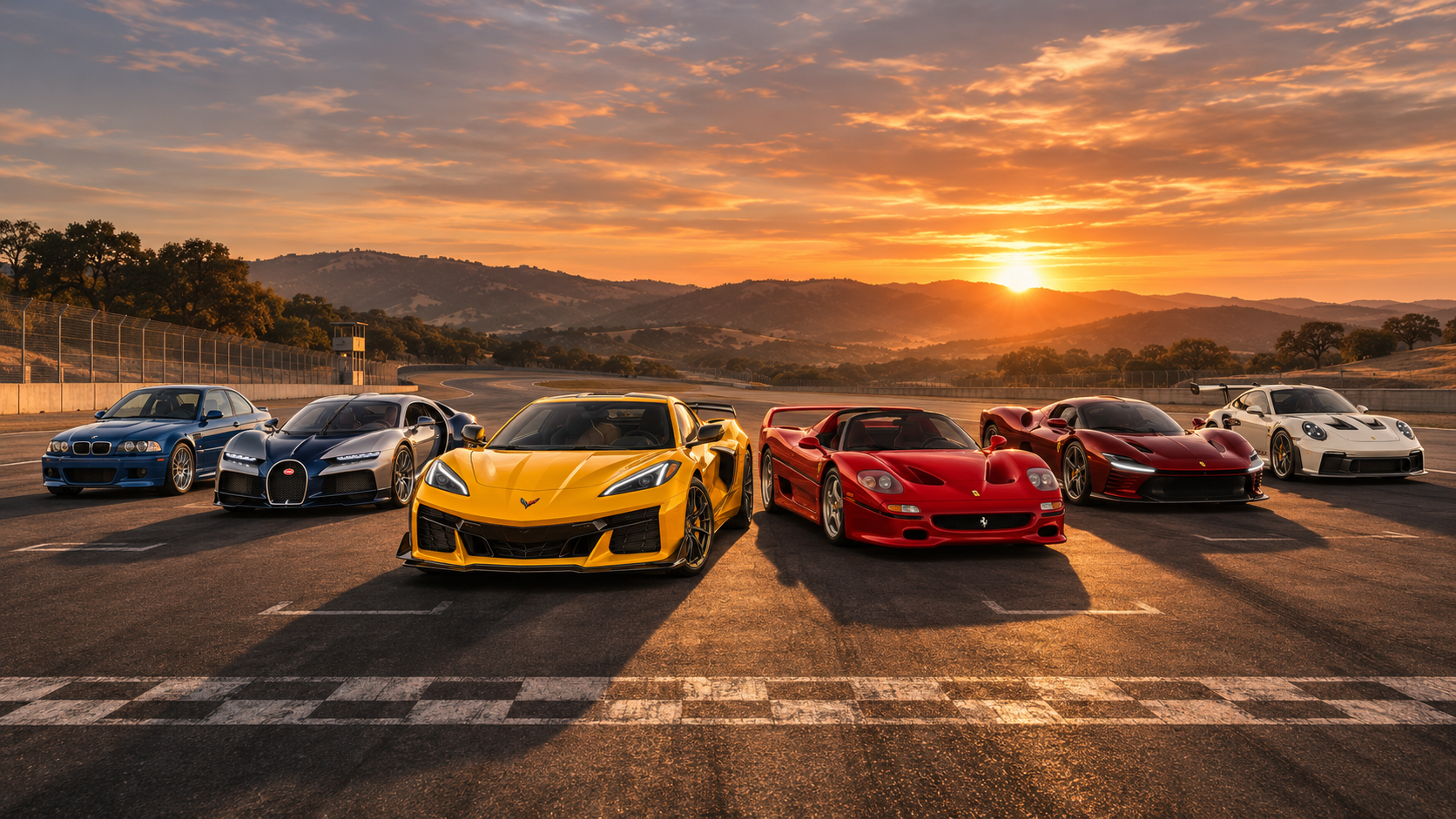
At Broad Arrow’s Las Vegas auction on October 31, two Ferraris separated by nearly three decades sold for almost the same price. A 106-mile 1997 F50 brought $18.705 million, while an 81-mile 2025 Daytona SP3 reached $18.54 million, both including buyer’s premiums. One pairs a naturally aspirated V12 with a gated manual; the other puts a naturally aspirated V12 inside a thoroughly modern machine.

Two generations of Ferrari engineering: the 1997 Ferrari F50 (left) and 2025 Ferrari Daytona SP3 (right). Photos via Broad Arrow Auctions.

Neither result represents the value of every example—their extraordinarily low mileage matters. But the comparison captures the collector’s dilemma: today’s engineering marvels already sit beside yesterday’s icons. Which will still seem important when the excitement of newness is gone?

History Will Cut the Field

The 1960s look almost impossibly good because history remembers the Sting Ray, Cobra, Miura, and GT40 and quietly forgets most of what shared the road with them.

The same editing has already begun on the 1990s and 2000s. We remember the F1, NSX, Viper, Carrera GT, Enzo, Ford GT, and C6 Z06.

Today, nothing has been edited yet.

The future icons are mixed together with cars nobody will miss, technologies that may disappear, and ideas that may turn out to be dead ends.

That can make the present look messy rather than historic.

But transitional periods often look messy while they are happening.

Thirty years from now, a collection explaining the 2020s may require several completely different cars: a Z06 to show how far the naturally aspirated V8 was pushed, a GT3 for high revs and manual involvement, a Tourbillon for the collision of enormous combustion engines and electrification, a landmark performance EV, and perhaps an MX-5 or GR86 simply because they kept the old idea of a small sports car alive.

The cars that define an era do not have to agree with one another.

Sometimes their disagreement is the story.

We Haven’t Had to Choose Yet

Eventually, some of these paths will narrow. Regulations will change. Buyers will change. Technologies will mature. Some engines, transmissions, and entire categories of cars will disappear while others become normal.

That is what makes the present interesting.

The Porsche 911 GT3 (992.2), preserving the naturally aspirated, high-revving flat-six experience in an increasingly electrified performance-car world. Photo: Porsche.

We can still hear an 8,600-rpm Corvette and a 9,000-rpm Porsche. We can still buy a manual roadster or V8 Mustang while Bugatti builds a V16 hybrid and performance EVs pursue an entirely different kind of speed.

Maybe future enthusiasts will not remember the 2020s because one idea won.


They may remember it because, for a moment, none of them had.

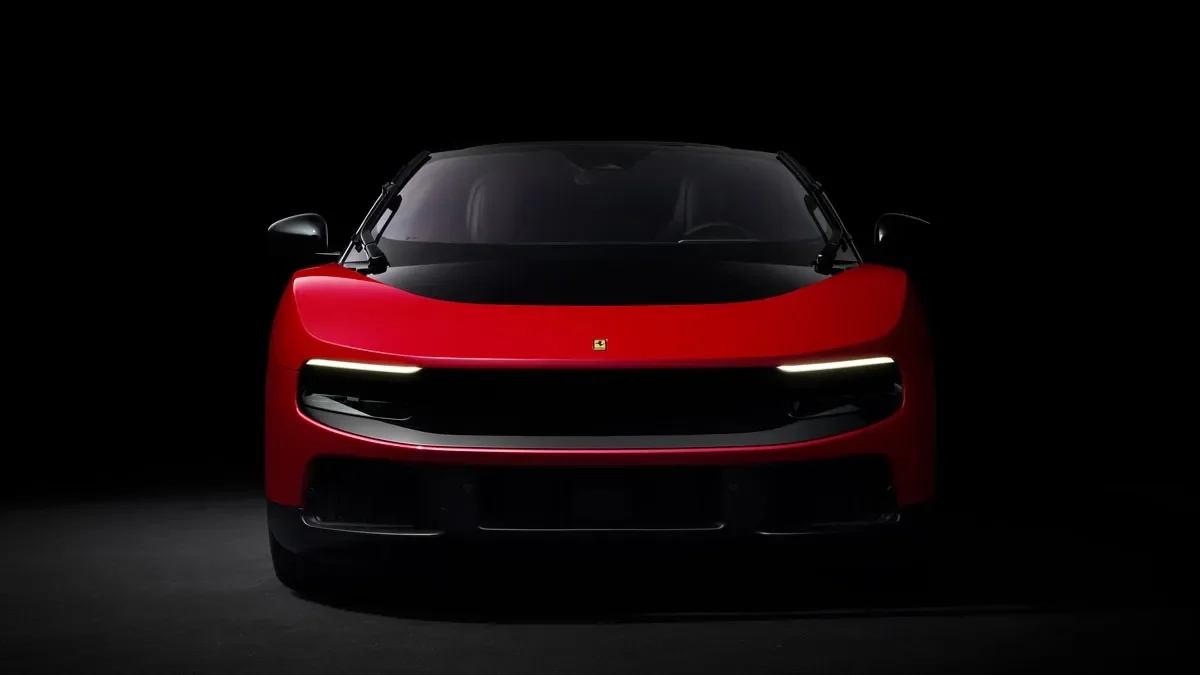
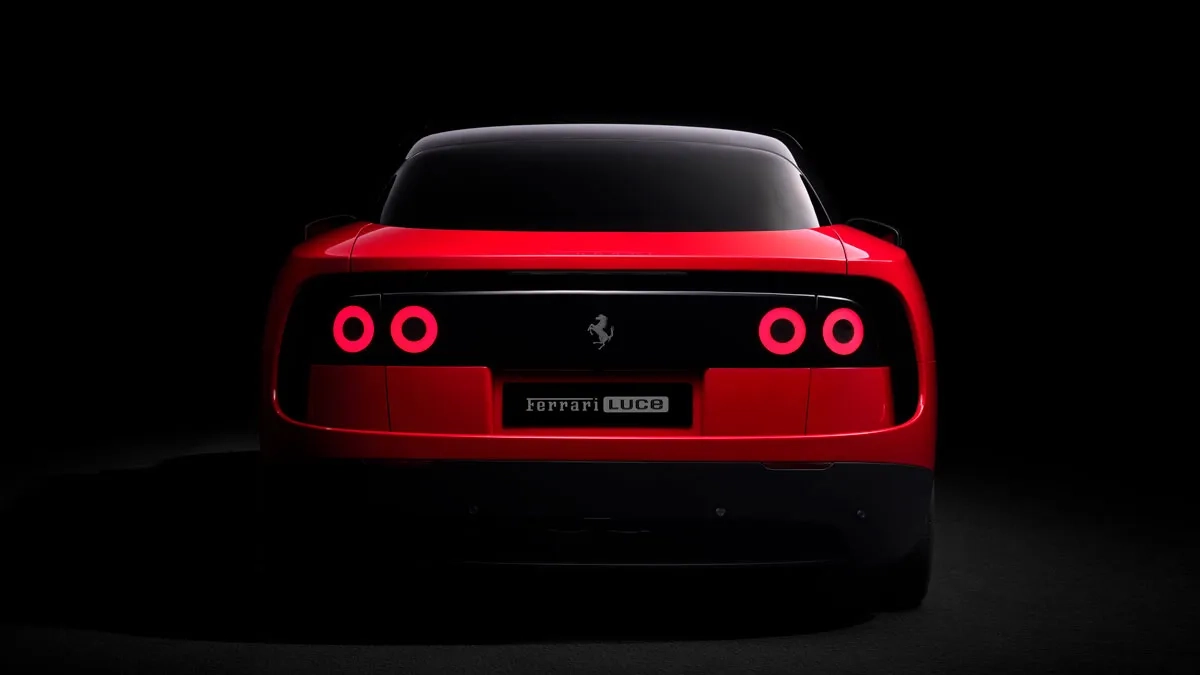
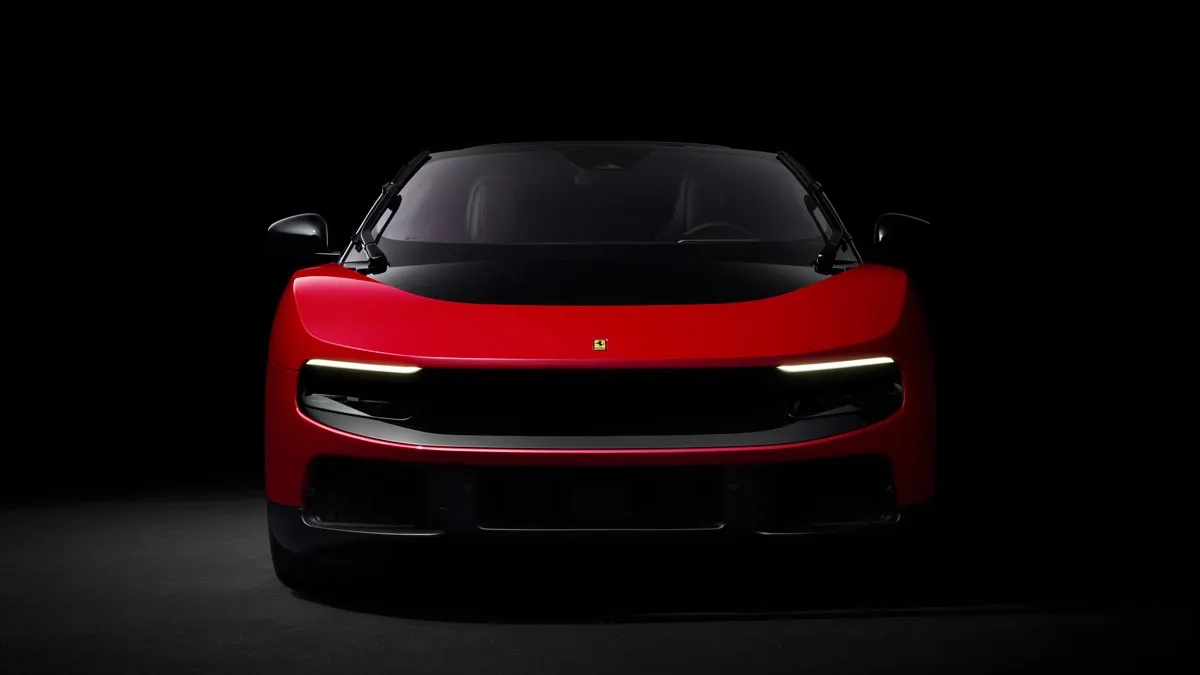
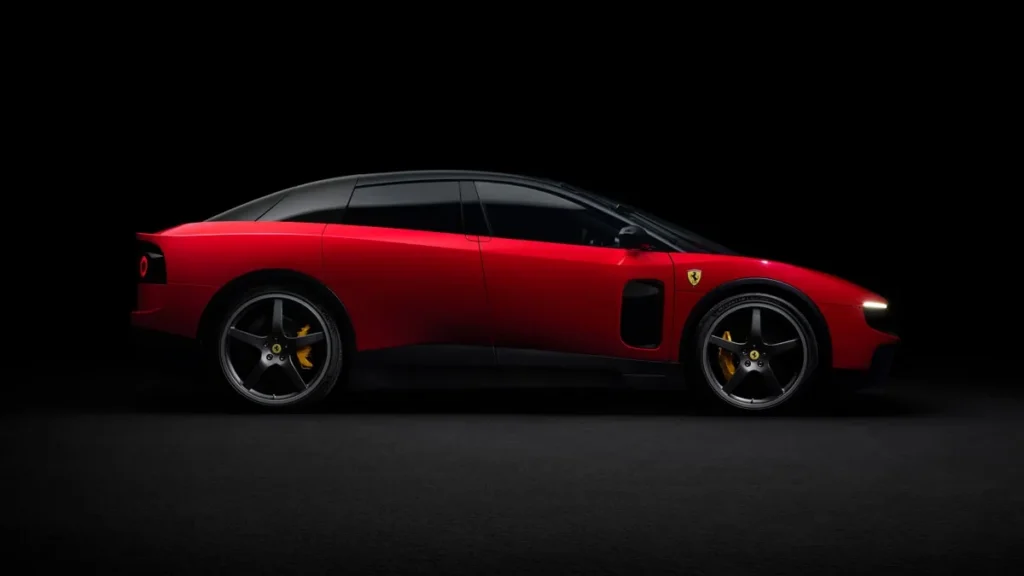
Ferrari Luce Front Red
Uncategorized

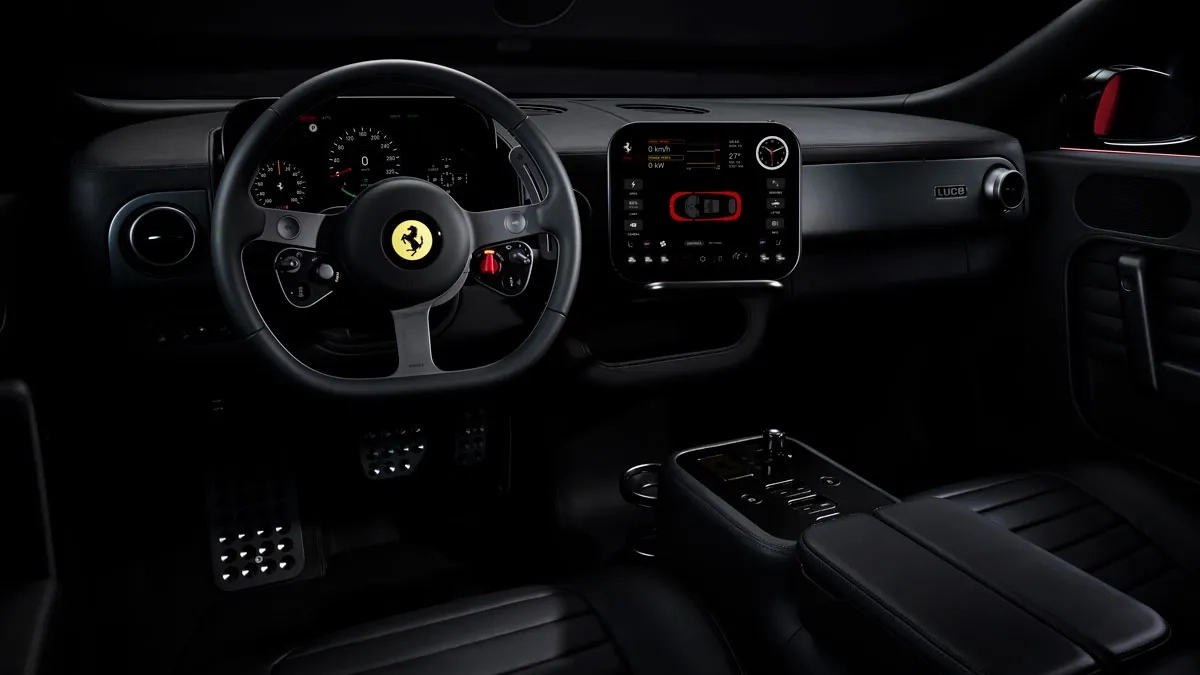
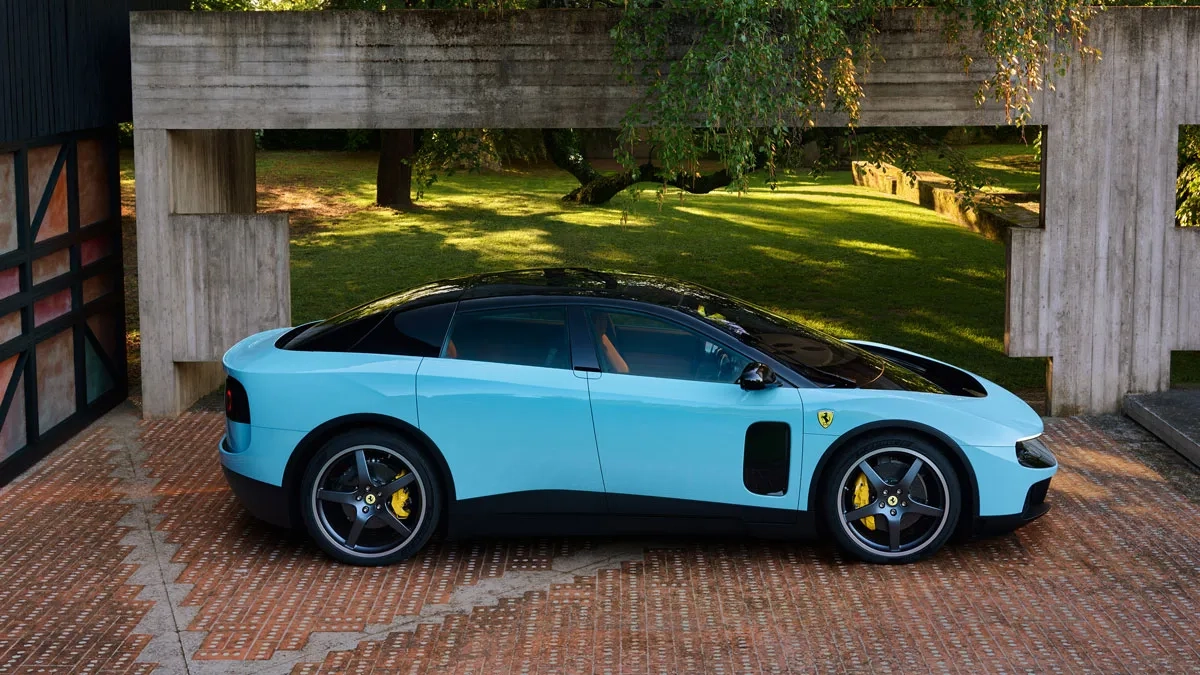
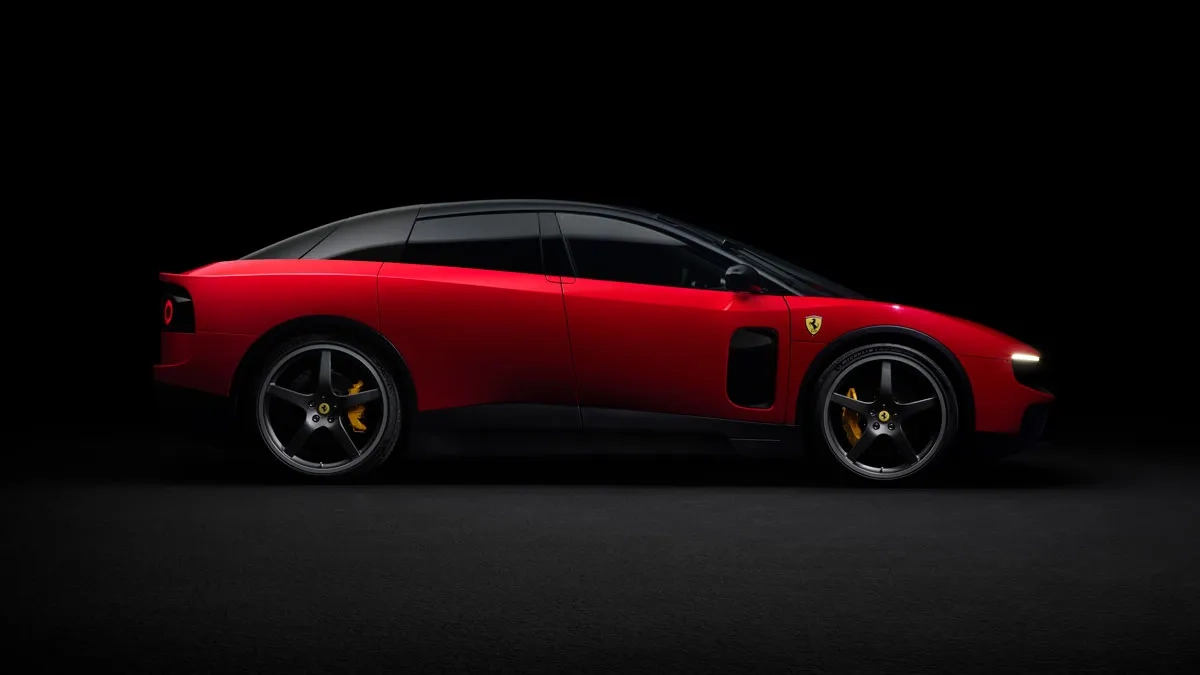
Ferrari Goes Electric: Can the Luce Still Feel Like a Real Ferrari?

Ferrari S.p.A.

Few brands carry the emotional weight of Ferrari. For anyone who grew up with a poster on their bedroom wall, Maranello isn’t just a car manufacturer. It’s the sound of a V12 at redline, Rosso Corsa paint catching sunlight, and the unmistakable click of a gated manual shifter.

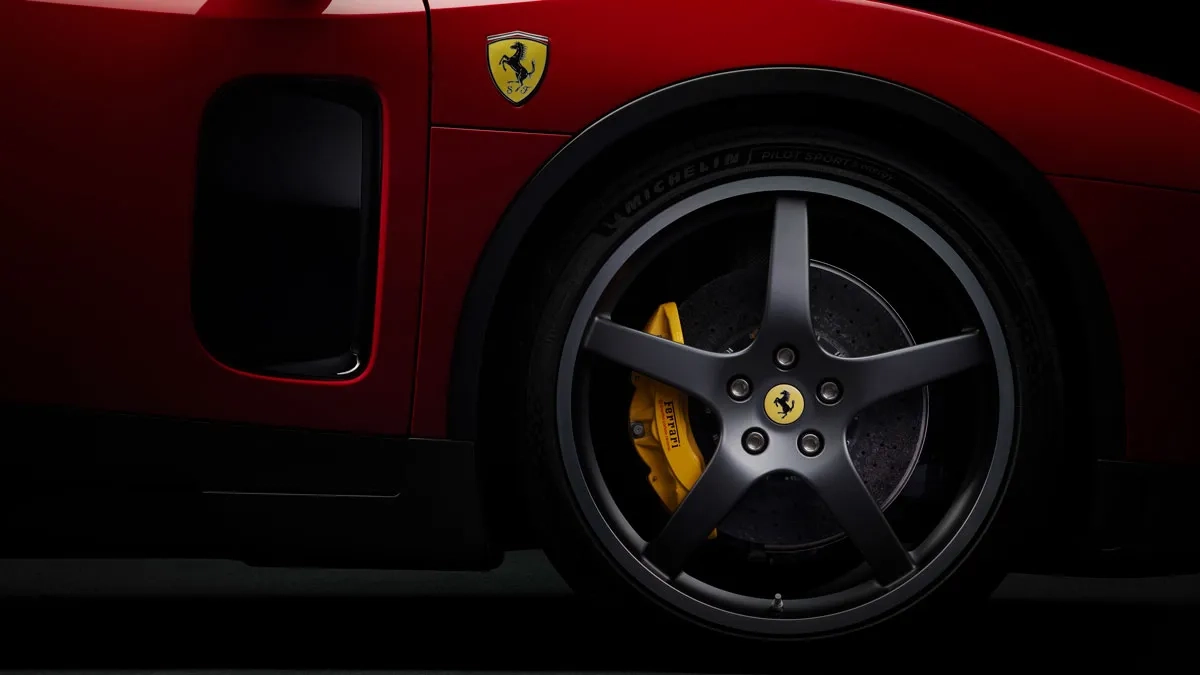
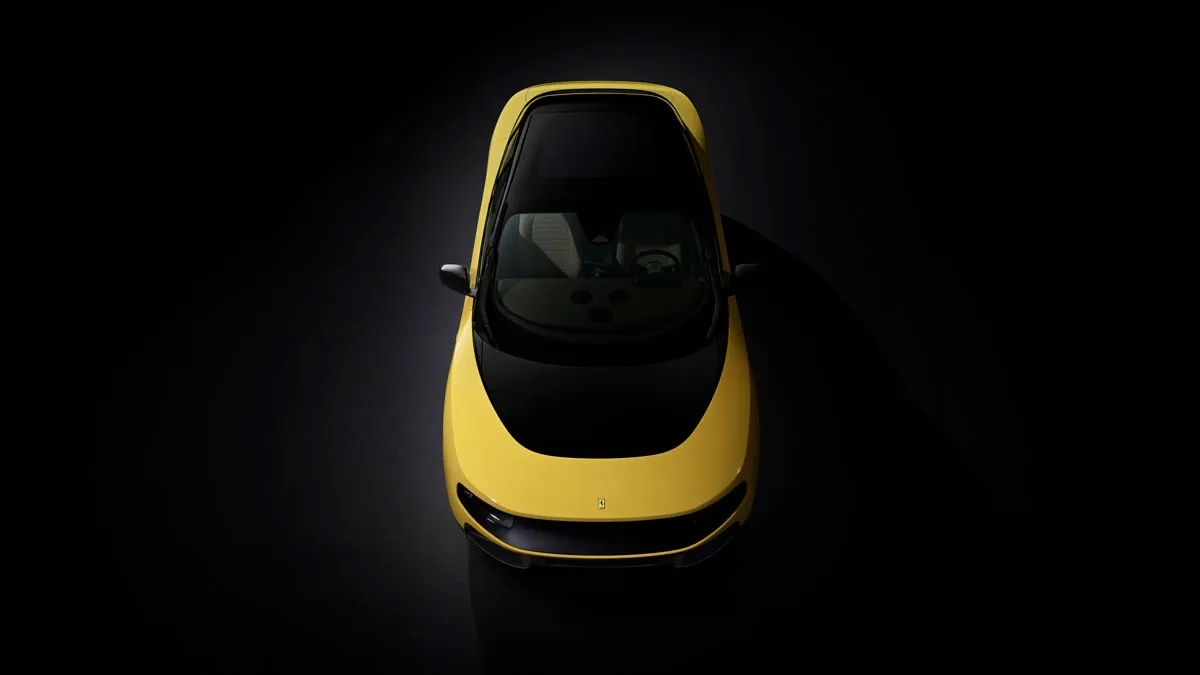
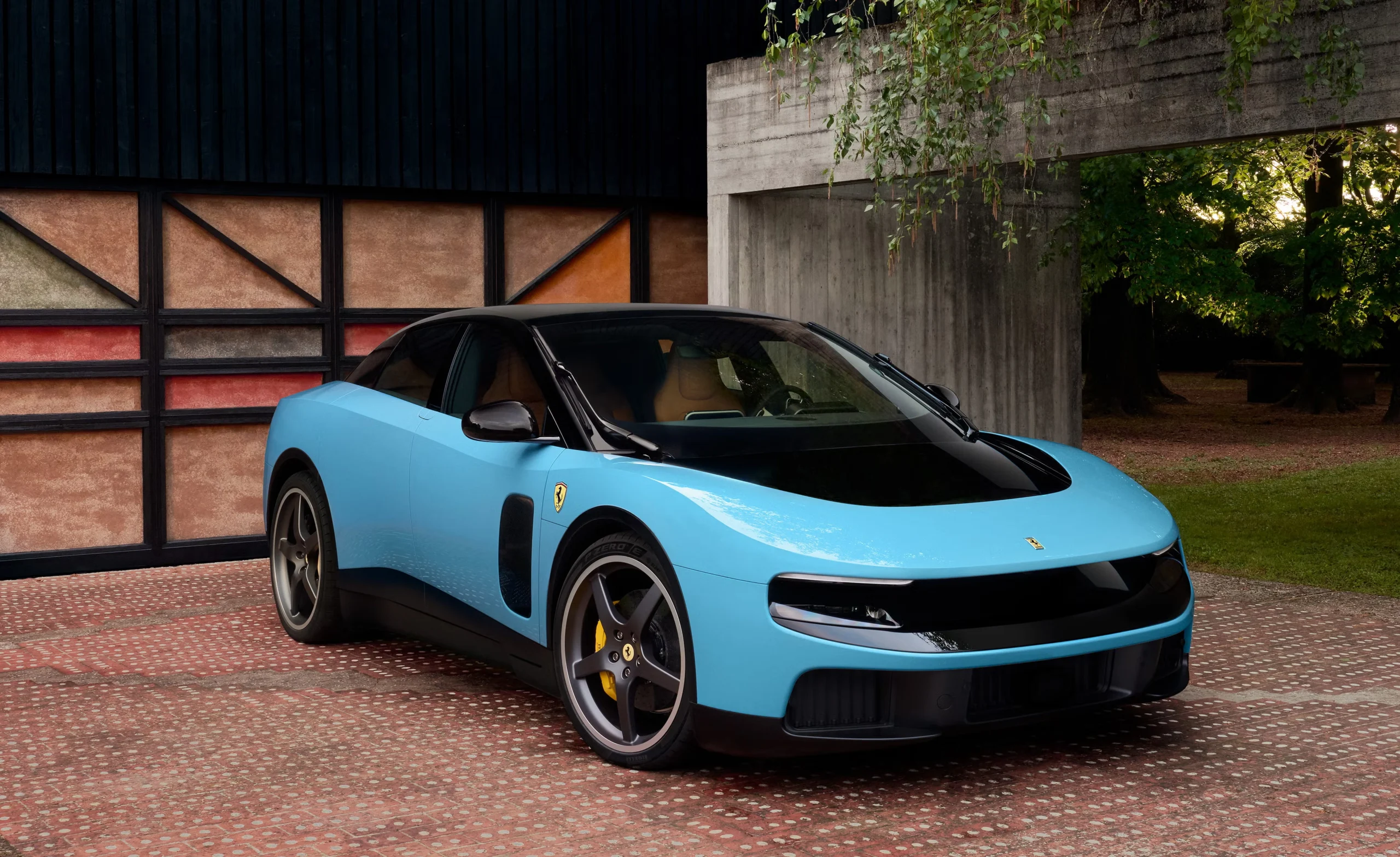
That’s exactly why the arrival of the Ferrari Luce feels like a major moment rather than just another product launch. This is Ferrari’s first fully electric production car. Whether you love the idea or hate it, the Luce represents one of the biggest shifts in the company’s history. It isn’t just another luxury EV entering an increasingly crowded market; it’s Ferrari’s attempt to bring its identity into a future where internal combustion is no longer the default.

The Numbers and the Real Challenge

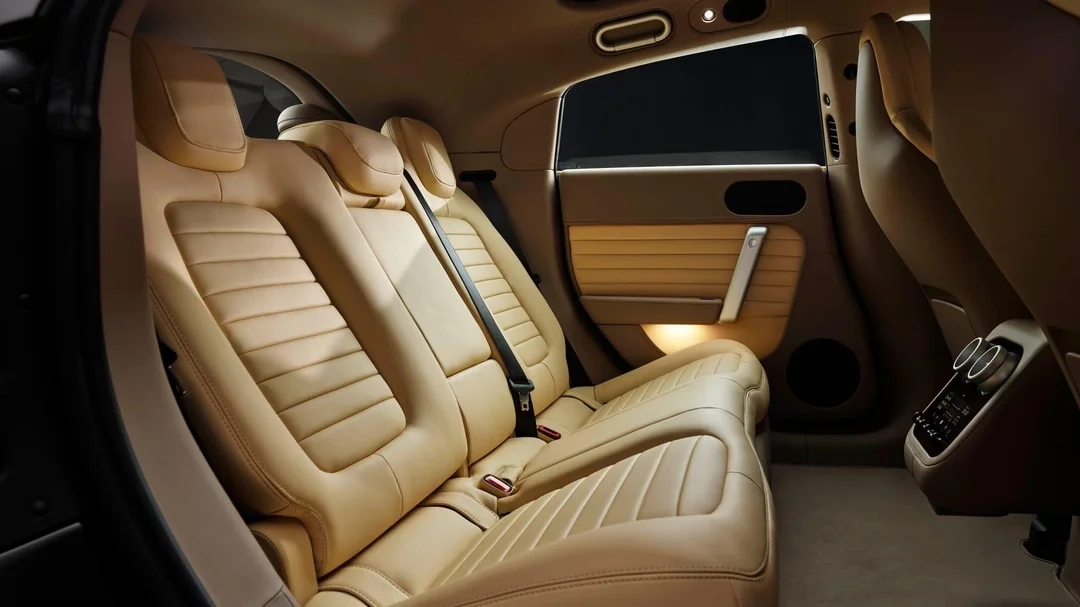
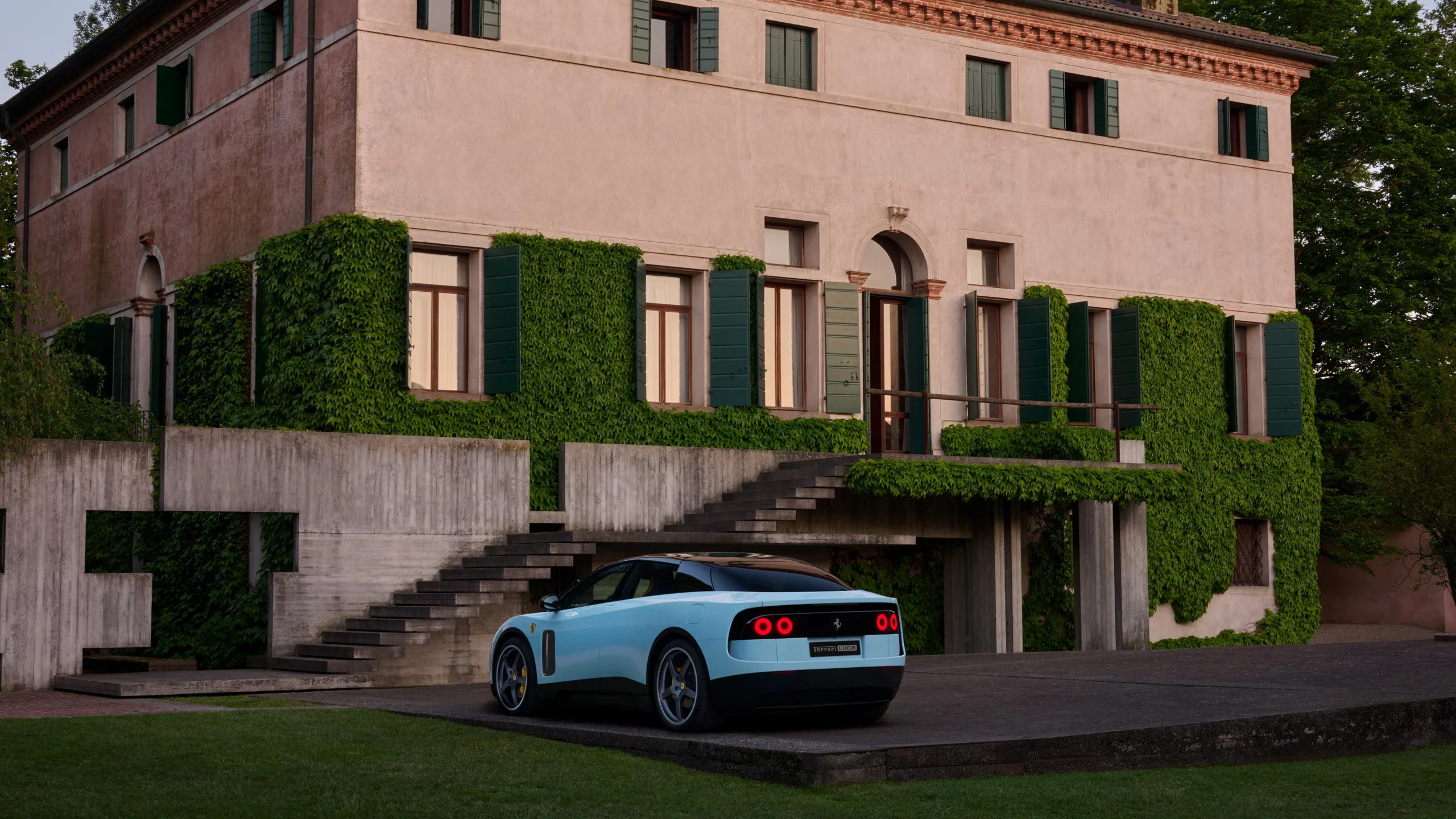
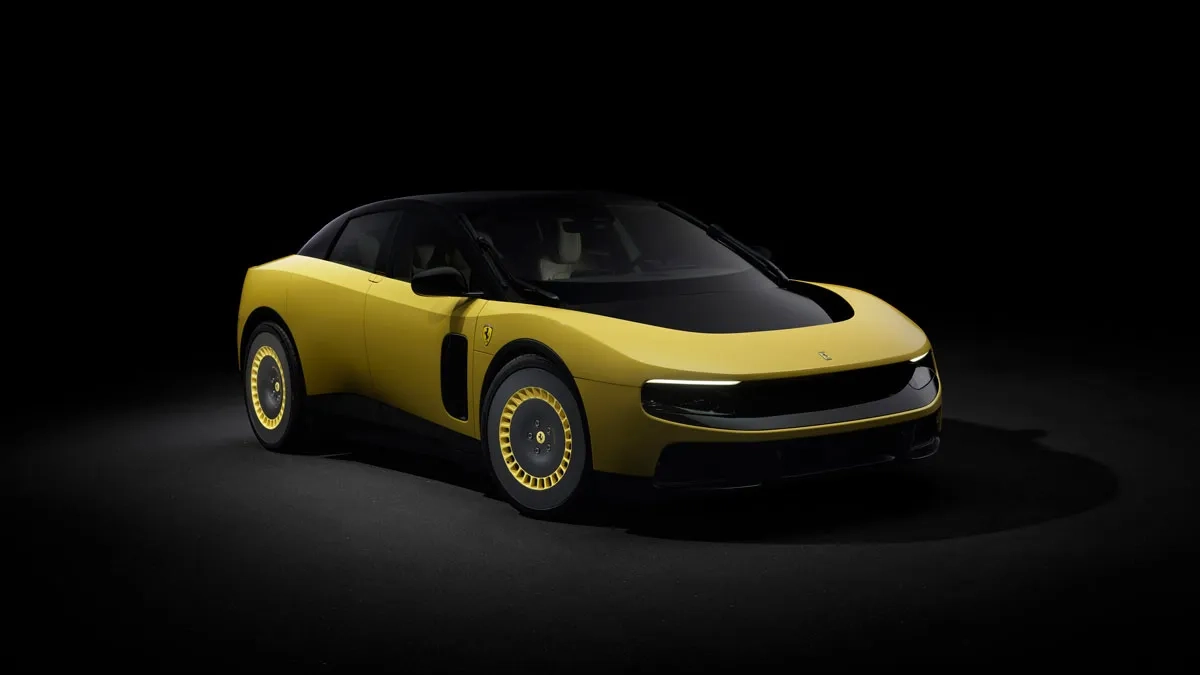
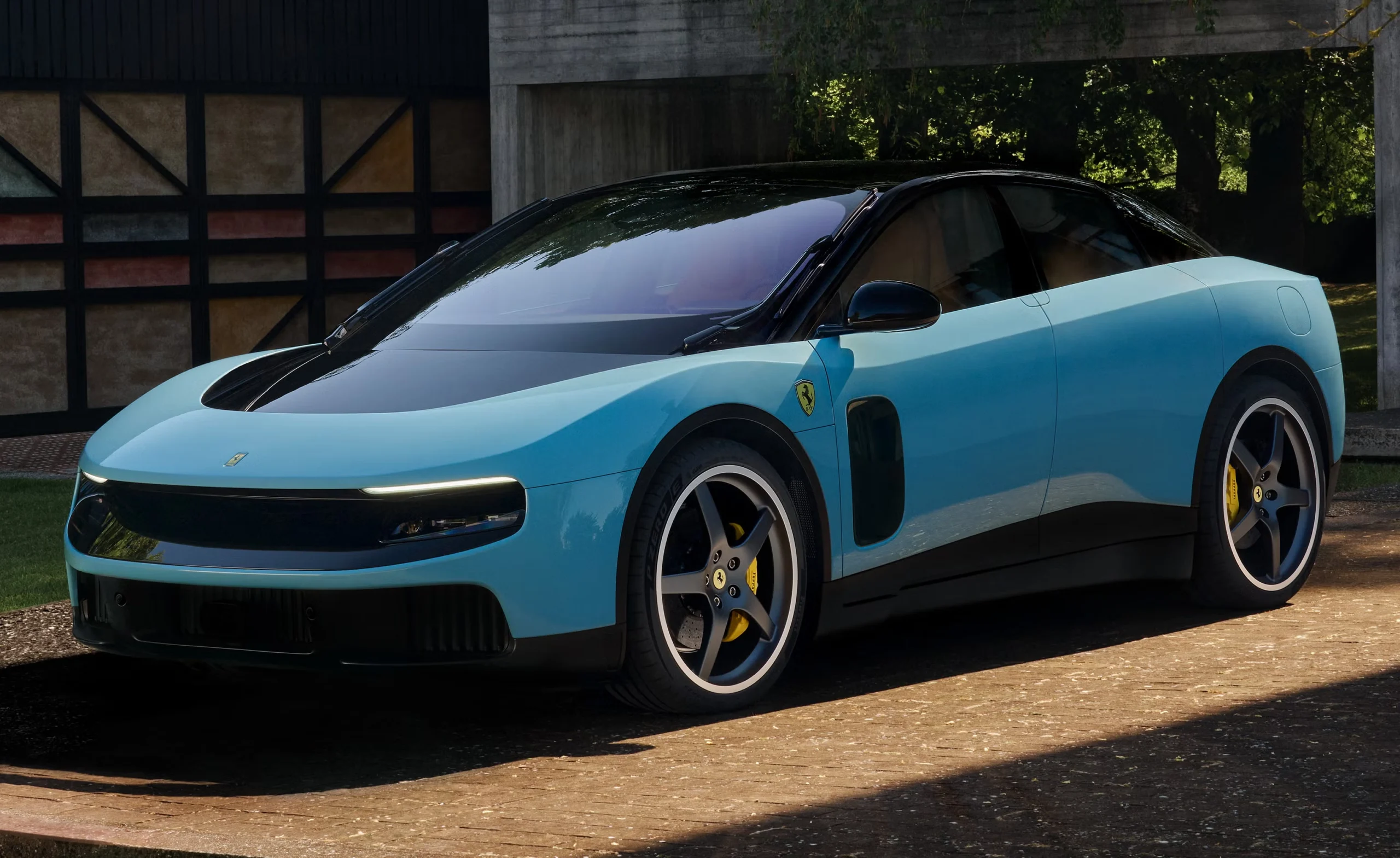
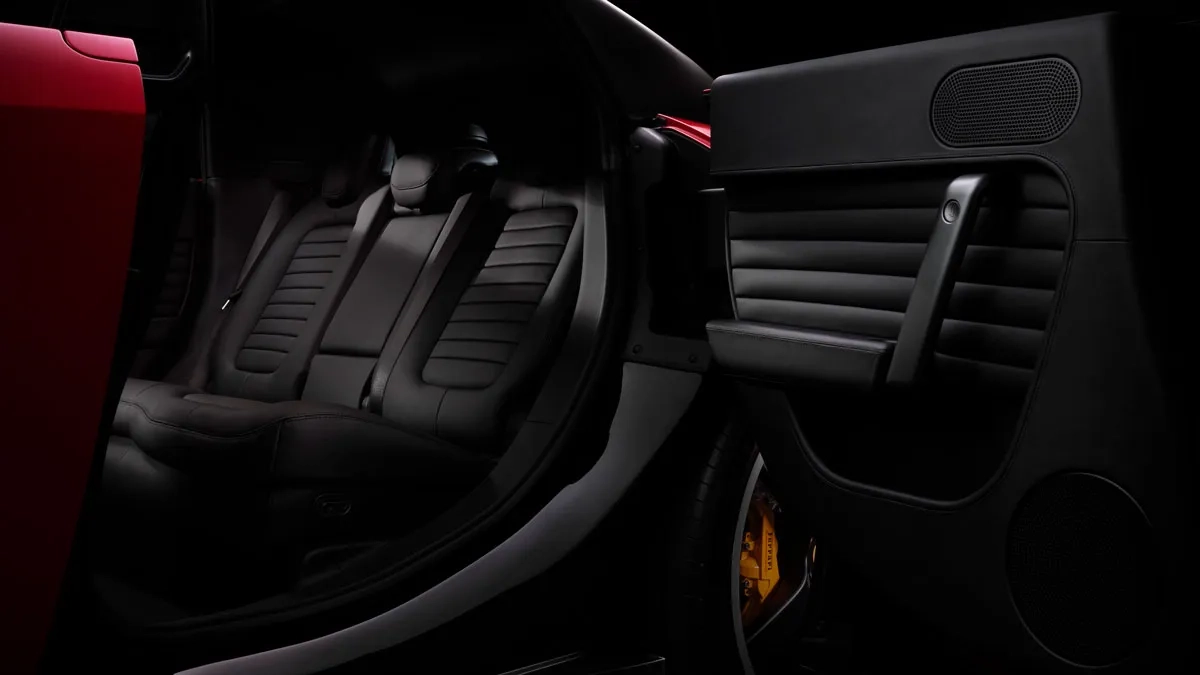
Named after the Italian word for “light,” the Luce is a four-door, five-seat grand tourer developed in collaboration with Jony Ive and Marc Newson’s creative firm, LoveFrom. Scheduled for deliveries in late 2026, it carries a striking $640,000 price tag. On paper, the numbers are substantial: four electric motors producing more than 1,000 horsepower, a 0–60 mph time of 2.5 seconds, a top speed above 193 mph, and a claimed range of 310 miles.

But in 2026, shocking acceleration alone doesn’t separate a car from the crowd anymore. Even family sedans are putting up numbers that would have embarrassed supercars a decade ago.

Ferrari fans may tolerate hybrids, but a silent Ferrari is a tougher sell. Performance matters, but for decades the soundtrack has been part of the experience.

Ferrari knows this. Rather than pumping fake engine sounds through speakers, engineers reportedly developed an acoustic system that captures and amplifies natural vibrations from the electric powertrain. The goal is to create some level of physical feedback and connection, but whether that can replace the character of a combustion engine remains to be seen.

A Legacy Built on Engines

For generations, Ferrari’s identity started in the engine bay. Enzo Ferrari founded Scuderia Ferrari in 1929 as a racing team and only began building road cars in 1947 to fund those racing efforts. Because of those roots, Ferrari never felt like a traditional luxury brand focused on comfort. The company built its reputation on competition, speed, and drama.

Over the years, cars like the 250 GTO, Testarossa, F40, and LaFerrari established a simple expectation: a Ferrari should create an emotional reaction before it even leaves the driveway.
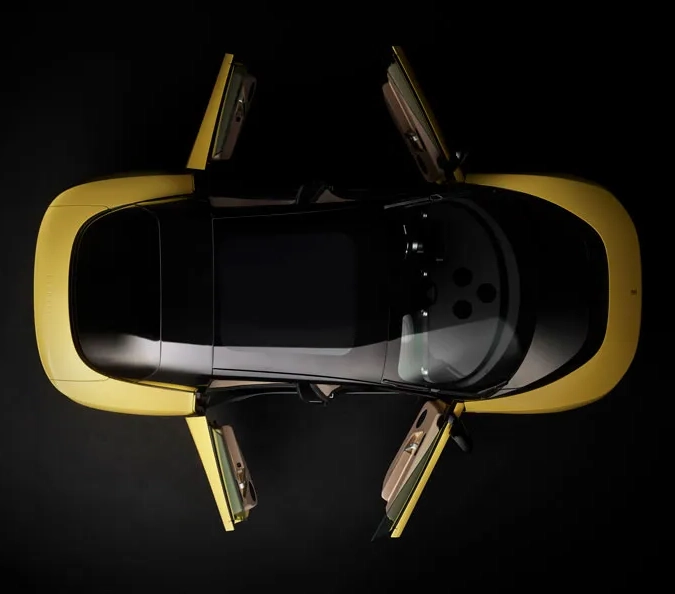
Ferrari S.p.A.

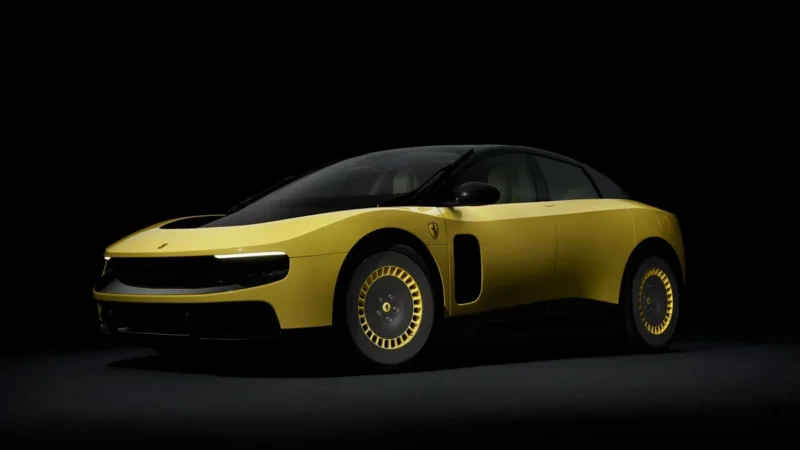
The Luce changes that formula. It has four doors, five seats, and a design language that leans toward cleaner, simpler shapes rather than the aggressive styling Ferrari buyers are used to seeing.

The styling drew enough attention that The Guardian reported a dip in Ferrari’s stock price after the reveal as analysts and enthusiasts questioned whether it looked enough like a Ferrari sports car.

Balancing Rarity and Reality

Today’s Ferrari is very different from the boutique racing operation Enzo once ran. It’s now a publicly traded luxury powerhouse. The company has already experimented with electrification through models like the SF90 Stradale and the 296, so battery technology isn’t entirely new territory.

Still, Ferrari appears to be moving carefully. The company recently pulled back on aggressive electrification targets. Its current 2030 strategy calls for a lineup made up of 40% internal combustion vehicles, 40% hybrids, and only 20% fully electric models.

That suggests Ferrari understands the challenge in front of it. The company isn’t walking away from its engines overnight. The Luce feels more like Ferrari testing how much change buyers are willing to accept without losing what made the brand special in the first place.

Ferrari also has less room for error than most manufacturers. If a mainstream EV misses the mark, it becomes a disappointing launch. If Ferrari misses, enthusiasts will see it as something much bigger.

The Luce also appears aimed at a slightly different buyer: collectors who want a technologically advanced daily driver without leaving the Ferrari ecosystem. Reports suggest Ferrari is paying close attention to markets like China, where luxury EV adoption has grown quickly.

Will Purists Buy It?

Any time Ferrari moves outside its comfort zone, criticism usually follows. It happened with front-engine grand tourers, mid-engine supercars, and more recently the Purosangue SUV.

History usually forgives the move if the car ends up being great to drive.

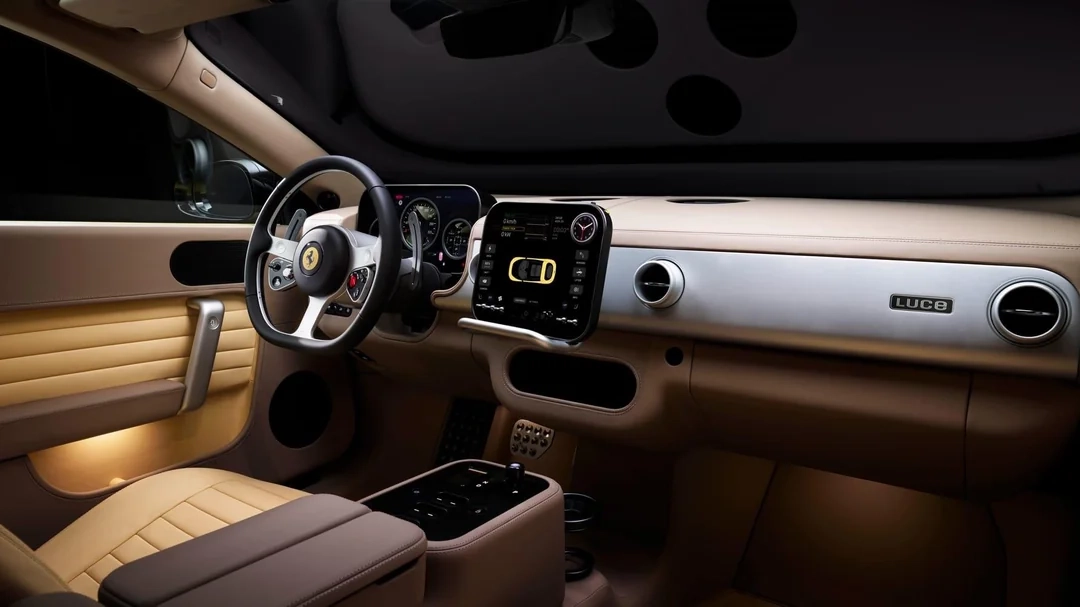
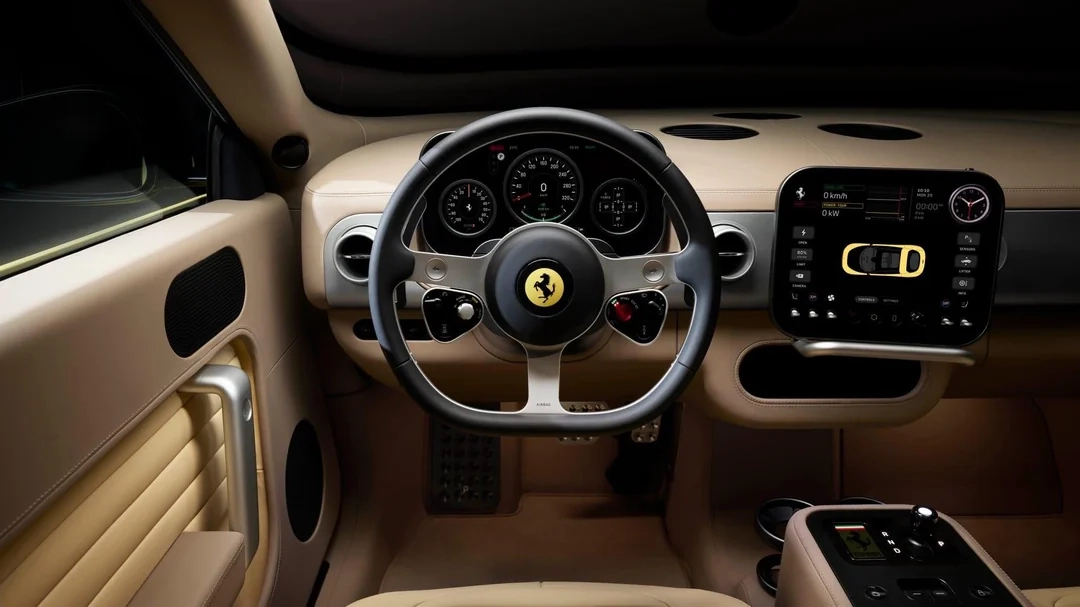
The Luce has plenty working in its favor. A four-motor setup creates opportunities for incredibly precise torque vectoring, and the interior avoids becoming another oversized screen with seats attached. The partnership with Jony Ive also gives the project some cultural weight.

Still, Ferrari buyers have always purchased more than speed. Plenty of vehicles today can produce incredible numbers. Very few create anticipation before you even push the start button.

Enzo Ferrari once said, “Aerodynamics are for people who can’t build engines.” Modern Ferraris rely heavily on software, airflow, and technology, but the quote still reflects an era where mechanical emotion mattered more than numbers.

Ultimately, the Luce isn’t asking anyone to forget the sound of a V12. It’s asking whether a Ferrari can still feel like a Ferrari when the engine is no longer the centerpiece.

That answer won’t come from stock prices or spec sheets. It will come when owners get behind the wheel, press the accelerator, and decide whether it still creates the emotional connection people expect from the badge.